
Festive season in India runs back to back: Navratri and Dussehra (20 October), Karwa Chauth (29 October), Dhanteras and Diwali (6–8 November), and then wedding season right after. You don’t need a brand-new ethnic set for every occasion. A well-chosen kurti, a statement dupatta and the right accessories can carry you through all of it, and keep you comfortable while you do.
Diwali: Go Rich and Warm
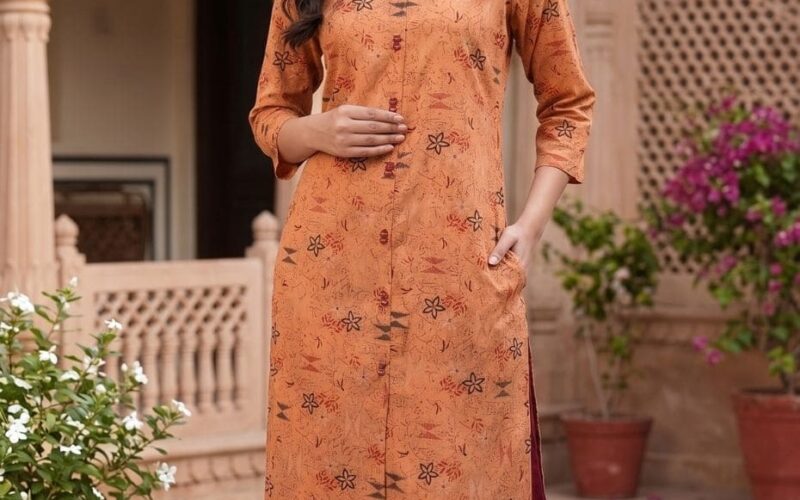
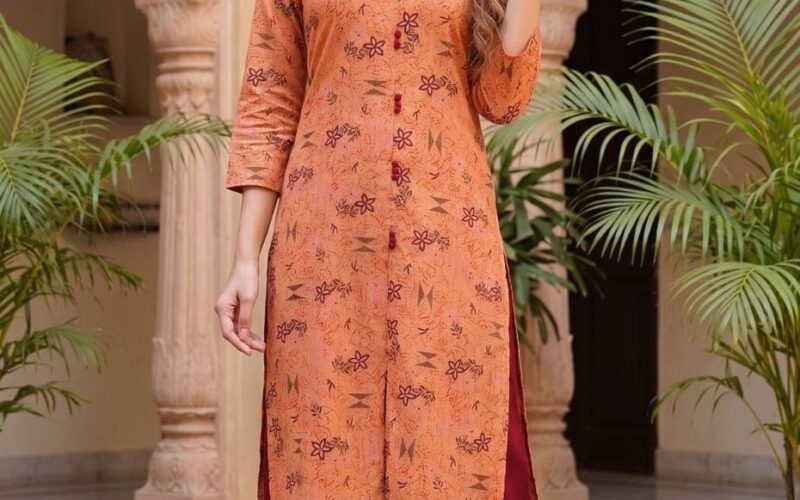
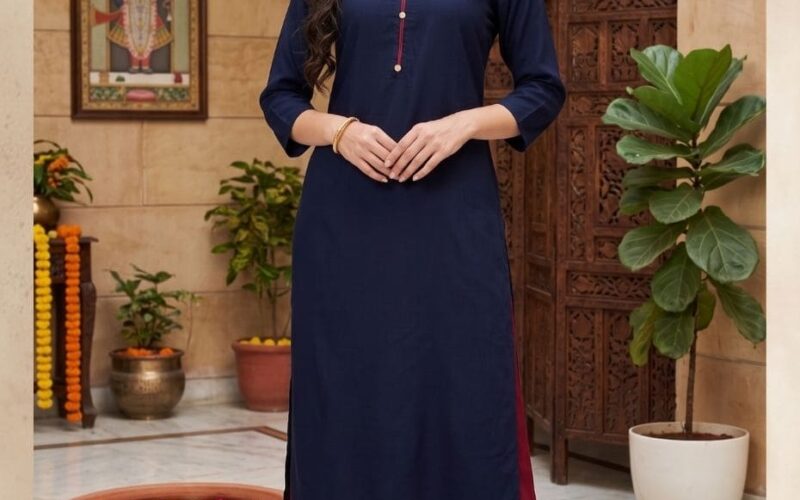
Diwali evenings call for richer colours: reds, maroons, deep greens, mustard and royal blue all look beautiful in diya light. Pick a solid or subtly printed kurti, such as this maroon floral printed set, and add a statement dupatta or stole in a contrast shade. Gold-toned jewellery (jhumkas, a choker or a stack of bangles) ties the look together.
For Lakshmi Puja, keep the outfit elegant but easy to sit in for a long time. Straight or A-line cuts in soft fabrics are more practical than heavily structured pieces.
Navratri: Colour, Prints and Movement
Navratri is the one time of year bold colour-blocking and busy prints are completely welcome. Mirror-work, bandhani-style prints and bright contrast dupattas suit the nine days well. If you’re dancing garba or dandiya, choose a kurti with room to move, a flared or A-line cut, and pair it with comfortable footwear rather than heels.
Karwa Chauth: Traditional with a Touch of Shine
Karwa Chauth is traditionally red, maroon or other auspicious shades. A red kurti with an embellished or contrast dupatta is a simple, polished choice. Since the day involves a long fast and plenty of sitting and standing, prioritise breathable fabric and a comfortable fit, then add shine through your dupatta and jewellery rather than a heavy outfit.
Wedding Functions: Light Looks for Day Events
For lighter functions like mehendi or haldi, a vibrant printed kurti like this two-tone green kurti works beautifully with statement jewellery and heels. Yellow, green, orange and pink are classic choices for daytime events. For evening functions like sangeet, move to darker or more embellished pieces, or consider a full set from our Kurti Pant Dupatta Set collection.
A Simple Colour Guide
- Diwali puja and dinner: red, maroon, emerald, mustard, gold accents
- Navratri: bright colour-blocking, mirror-work and bandhani-style prints
- Karwa Chauth: red, maroon, pink and other auspicious shades
- Haldi and mehendi: yellow, green, orange, vibrant prints
- Sangeet and evening functions: jewel tones with embellishment
Three Easy Upgrades Using What You Already Own
- Swap the dupatta. A contrasting or embellished dupatta over an everyday kurti is the fastest festive makeover.
- Change the jewellery. Jhumkas, chandbalis or oxidised silver can shift the same kurti from daytime to evening.
- Upgrade the footwear. Embellished juttis or block heels instantly raise the formality of a simple kurti.
Frequently Asked Questions
Can I wear a kurti for Diwali puja instead of a saree or lehenga?
Absolutely. A rich-coloured kurti with a statement dupatta is perfectly appropriate for Diwali puja and family gatherings, and far more comfortable for long hours.
What colours should I avoid on Diwali?
Black is traditionally avoided at many pujas, though many families are relaxed about it today. If in doubt, choose a warm, rich colour instead.
Which kurti fabric is best for festive season?
Cotton and rayon blends are comfortable for daytime and all-day wear, while embellished or silkier fabrics suit evening events. Match the fabric to how long you’ll be wearing it.
For more on kurti styling across occasions, see our complete kurti buying guide and browse the full Kurti collection.